Module 2.1: Threading
2.1.1 Overview
Threading is an ancient method of hair removal technique. In threading, a thin (cotton or polyester) thread is doubled and then twisted. It is then rolled over areas of unwanted hair, removing the hair at the follicle level. Unlike tweezing where single hairs are pulled out one at a time, threading can remove short lines of hairs in a single stroke. Advantages cited for eyebrow threading, as opposed to eyebrow waxing, are that it provides more precise control in shaping eyebrows and is gentler on the skin.
The first step of threading, which is important, is to recognise the shape of the customer’s face. Each person has unique features. As shown in Figure 1 below, the shape of the eyebrow varies according to the shape of the face. The beautician must be able to recognise this before working on the client.
2.1.2 Face Shapes and Eyebrow Threading
Different eyebrow shapes should be performed to perfectly suit clients’ face shapes. This is very important for the client’s satisfaction. Below are useful resources for a better understanding of the face and eyebrow shapes:
“Knowing your face shape is the first step to creating your most beautiful look” – Kevyn Aucoin
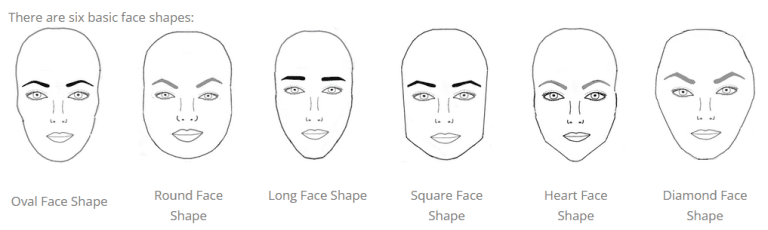
Figure 1 The best eyebrow shape for your face shape
For more information go to http://www.eyebrowz.com/faceshape.htm
Most common eyebrow shapes.
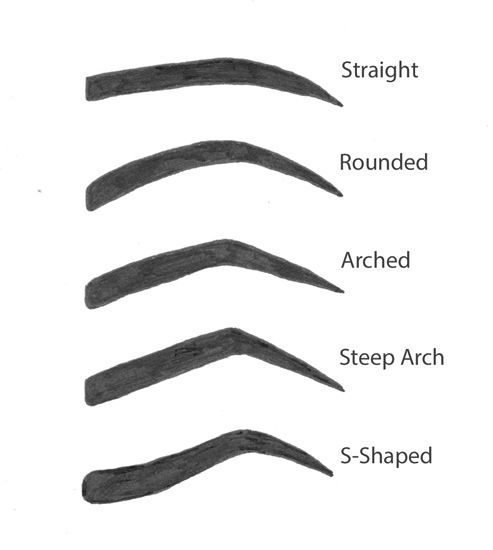
Figure 2 Most common eyebrow shapes
For more information go to https://www.pinterest.com.au/pin/54395107972894525/
Before commencing make sure you know the angle and which side to start from. Then set up the thread accordingly.
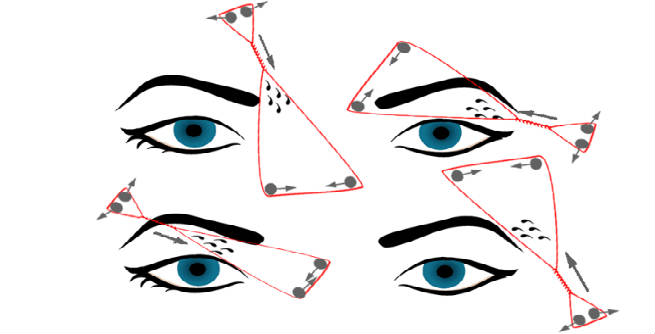
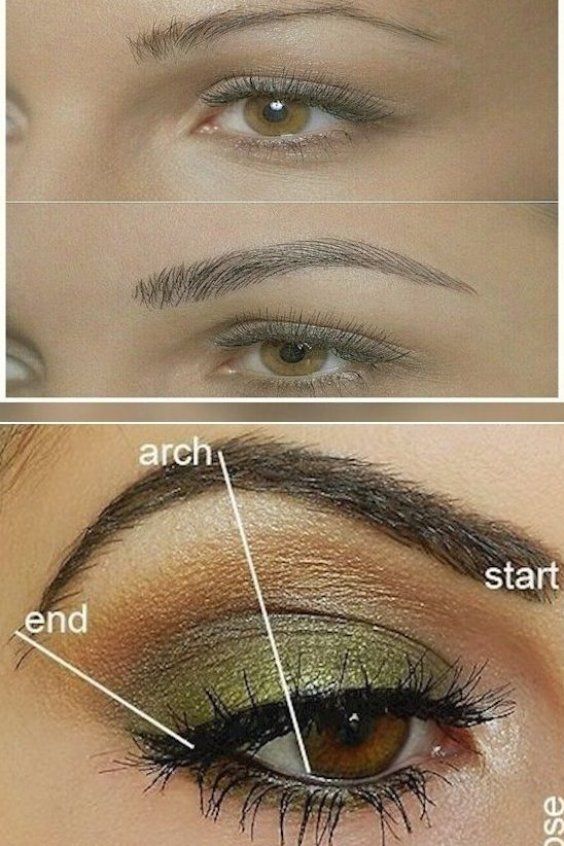
The eyebrow is divided into three sections – Start, Arch, and End.
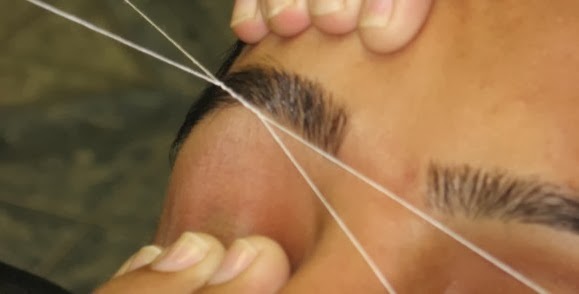
While threading makesure the client’s skin is stretched, as it will reduce the possibilities of skin irritation and cuts.
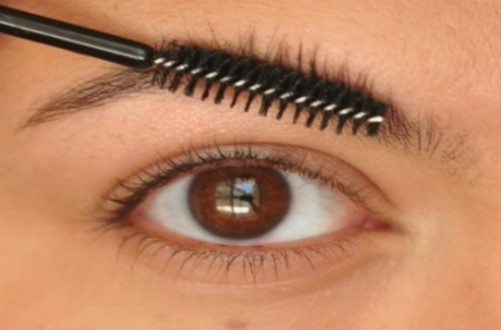
When cutting off extra hair make sure to cut it in the direction of its growth.
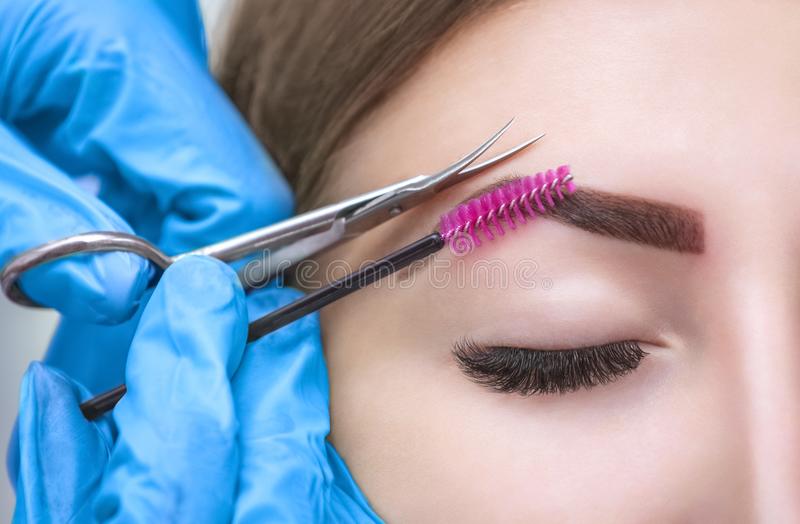
Make sure when you use the scissors to keep your distance from the eyebrow shape.
2.1.3 Threading Service in The Beauty & Brow Parlour
- Welcome – consult – understand customer requirements.
- Use hand sanitiser to clean your hands.
- Check the hair and skin condition of the areas to be threaded
- Take the thread from the thread dispenser.
- Perform threading service with 100% concentration and dedication:
- For eyebrow clean-up without full growth the price is only……………………………………………$15.
- For eyebrow shaping with full growth and for the first time, the price is………………………. $20.
- For a full-face including eyebrows, sideburns, chin, upper lip, and forehead, the price is $55.
- If adding the bottom chin and neck, it costs……………………………………………………………$10 extra.
- Continue to communicate your procedures with customers in a nice way.
- Dispose of used thread on the facial tissue and into the rubbish bin.
- Ask the customer whether you could apply after threading lotion on the threading area.
- Apply lotion using a cotton/makeup remover cotton pad.
- Try to up-sell and cross-sell beauty products.
- Bring the customer to the front desk/counter.
- Complete the transaction and thank the customer with a warm smile and eye contact.
2.1.4 What Not to Do
- Do not put anything on the client’s brows right after hair removal.
The client must wait at least two hours before applying cleansers or makeup directly to the threaded area. This is to keep bacteria away from open pores.
- Do not use a brow razor in between appointments.
They cut the hair at the surface similar to shaving. It does not remove the hair completely and it makes the hair that is leftover very coarse and thick. Using a brow razor can lead to ingrown hairs and stubble and you run the risk of taking off too much hair.