Module 2.4: Facial Procedures

2.4.1 How to perform a Facial


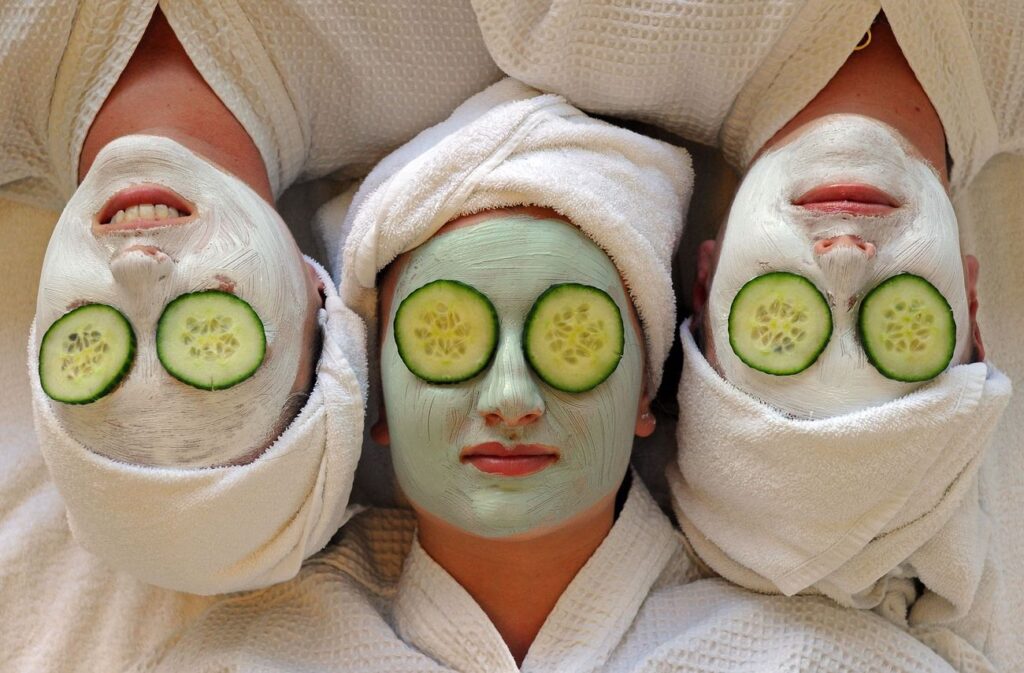
A facial is designed to keep skin healthy and nourished and is a relaxing spa treatment. A facial is one of the best ways to take care of your skin, especially when it is given by a knowledgeable beautician. A facial, cleanses exfoliates and nourishes the skin, promoting a clear, well-hydrated complexion, and can help your skin look younger.


  1. Skin analysis

The beautician needs to cover the eyes and look at the skin through a brightly lit magnifying lamp. To determine the basic skin type (dry, oily, combination, sensitive or normal) and skin conditions (acne, blackheads, whiteheads, aging, sun damage, dehydration, etc.) The beautician then chooses the appropriate products and treatments and consults with the client about what he or she sees and recommends.


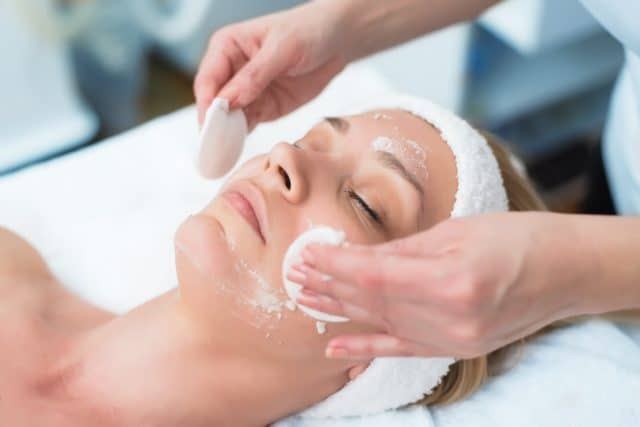
  1. Cleansing

After wrapping the hair with a towel or headband, the beautician begins the facial with a thorough cleansing, using cotton pads, wipes, or sponges.

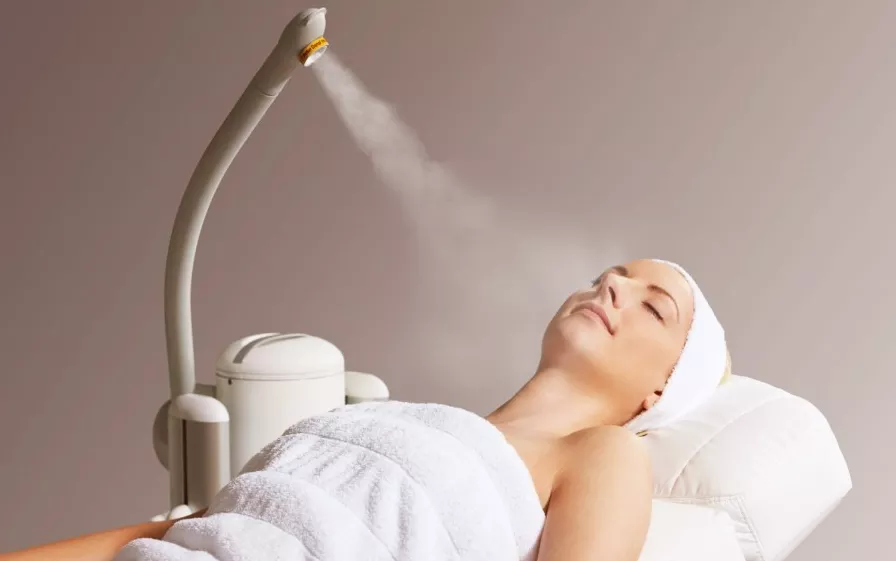
3. Steam

Most facials use a machine that directs a thin vapour of warm steam to the face. This is relaxing and helps soften up any blackheads and whiteheads to be extracted.

4. Exfoliation

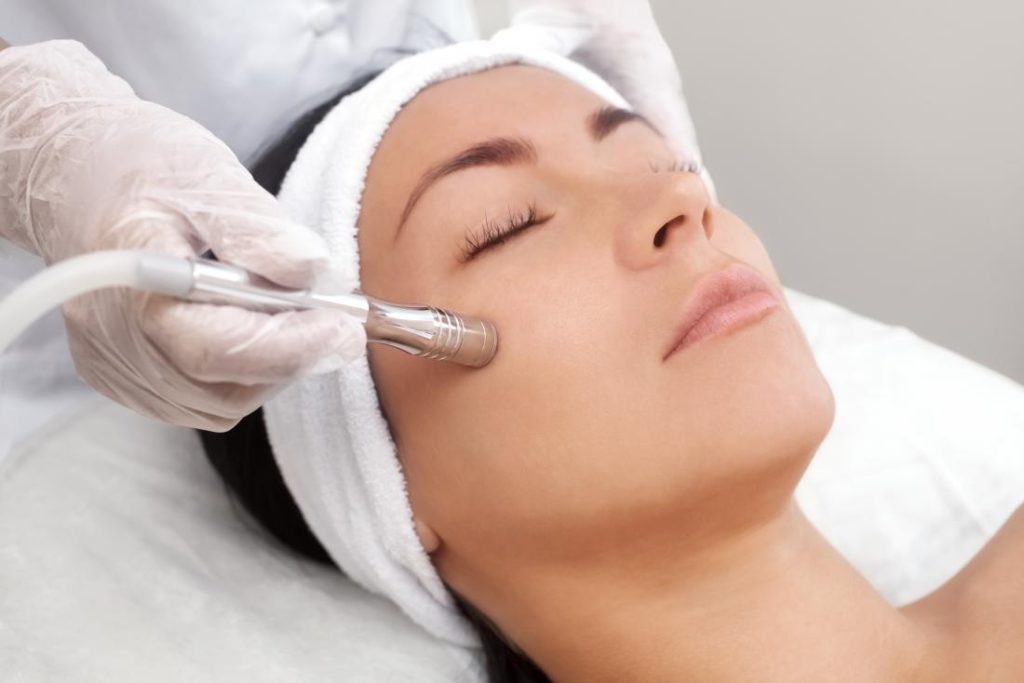
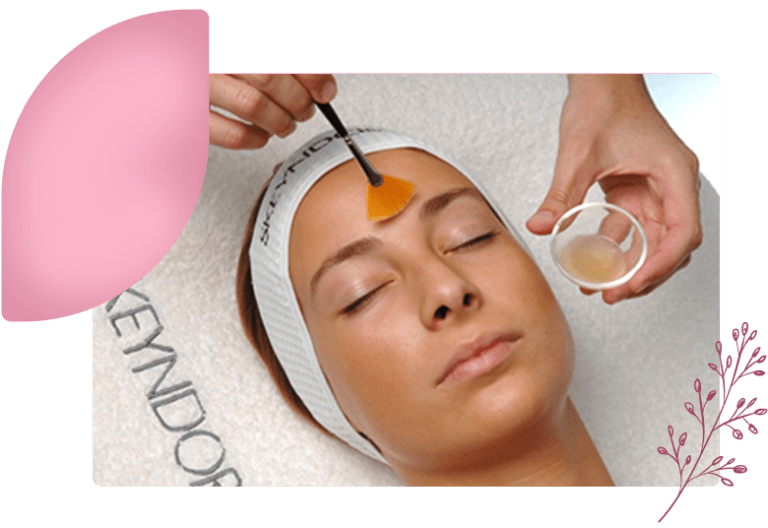
Using a mechanical or chemical exfoliant. Mechanical exfoliants (Microdermabrasion machine) have a gritty texture that rubs away the surface of dead skin cells. This type of exfoliation usually happens during the steaming process. Chemical exfoliation uses enzymes and acids to loosen the bond between skin cells. A gentle enzyme treatment can be conducted with the vapour of the steam. Stronger chemical peels, which vary in intensity, can be a stand-alone treatment or part of the facial.

5. Extractions

This is the removal of blackheads or whiteheads if needed. People have different pain tolerance for extractions. They can be uncomfortable, especially on thin or ruddy skin. Extractions can cause broken capillaries and discolouration if done improperly.

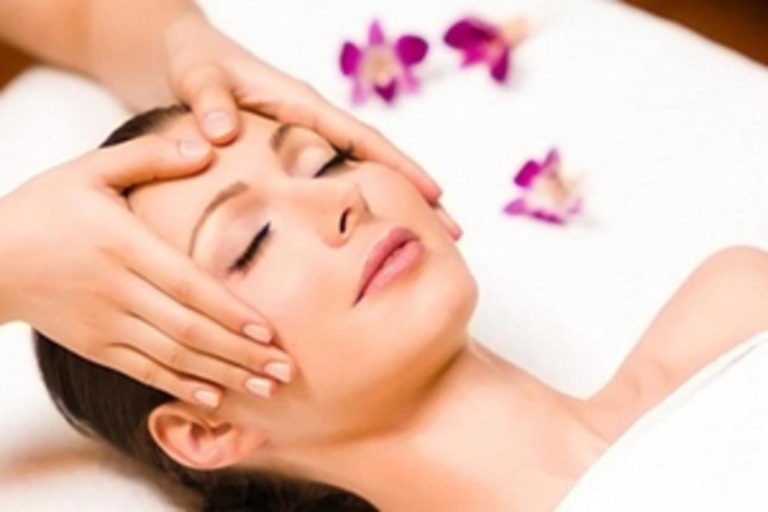
6. Facial Massage

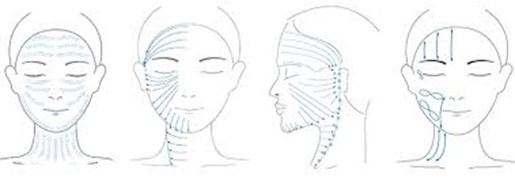
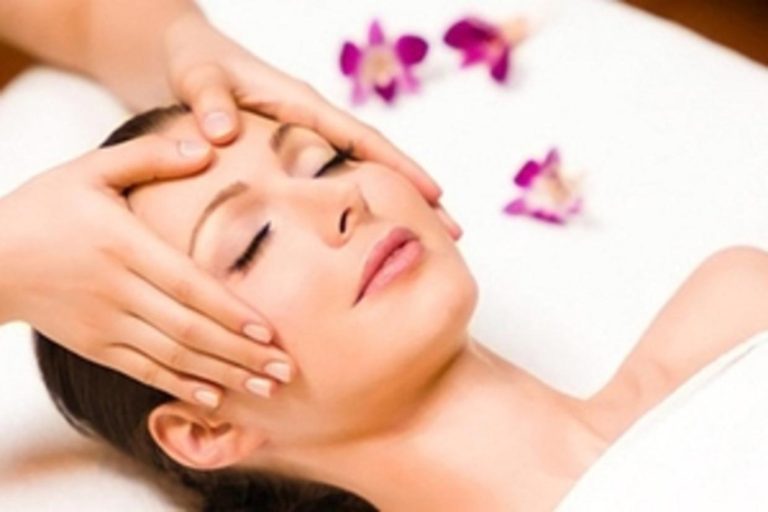
Using classic strokes to both relax and stimulate the skin and facial muscles.

7. Facial mask

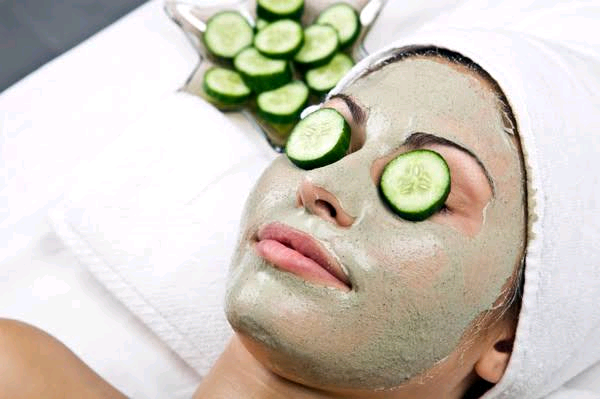
Targeted to the skin type (dry, oily, combination, sensitive, mature) and condition. During the facial, the beautician should stay in the room and give a scalp massage.

8. Final Application

Use toner, serums, moisturiser, and sunscreen if it’s daytime.


Tips

  • Use a face cleanser immediately afterward to remove the impurities while pores are still open.
  • Be sure the face has no traces of visible makeup, dirt, or oil. It might be advisable to do a quick once over with a washcloth or use a remover wipe.
  • Add 2-3 drops of tea-tree oil to the hot water for acne.
2.4.2 What Not to Do
  1. Do not increase the steam temperature on sensitive skin.
  2. Do not steam the skin with acne and blemishes.
  3. Do not steam the skin with acne and blemishes.
  4. Do not put led masks and enzyme peeling on pregnant women and asthma patients.
  5. Do not use unsterilized tools on clients.
  6. Do not start the facial without


2.4.3 Skin Treatments                  

Types of Skin Treatments

  1. Anti-aging Treatment
  2. Microdermabrasion Treatment
  3. Acne Treatment
  4. Skin-whitening Treatment
2.4.4 Anti-ageing Treatment

Process

  1. Skin Analysis

The beautician needs to cover the eyes and look at the skin through a brightly lit magnifying lamp. To determine the basic skin type (dry, oily, combination, sensitive or normal) and skin conditions (acne, blackheads, whiteheads, aging, sun damage, dehydration, etc.) The beautician then chooses the appropriate products and treatments and consults with the client about what he or she sees and recommends.

  1. Cleansing

After wrapping the hair with a towel or headband, the beautician begins the facial with a thorough cleansing, using cotton pads, wipes or sponges.

3. Steam

Most facials use a machine that directs a thin vapour of warm steam to the face. This is relaxing and helps soften up any blackheads and whiteheads to be extracted.

4. Exfoliation

Using a mechanical or chemical exfoliant. Mechanical exfoliants (Microdermabrasion machine) have a gritty texture that rubs away the surface of dead skin cells. This type of exfoliation usually happens during the steaming process. Chemical exfoliation uses enzymes and acids to loosen the bond between skin cells. A gentle enzyme treatment can be conducted with the vapour of the steam. Stronger chemical peels, which vary in intensity, can be a stand-alone treatment or part of the facial.

160

Test your skills now

5. Extractions

This is the removal of blackheads or whiteheads if needed. People have different pain tolerance for extractions. They can be uncomfortable, especially on thin or ruddy skin. Extractions can cause broken capillaries and discolouration if done improperly.

6. Facial massage

Using classic strokes to both relax and stimulate the skin and facial muscles.

7.Facial Mask

Targeted to the skin type (dry, oily, combination, sensitive, mature) and condition. During the facial, the beautician should stay in the room and give a scalp massage.

8. Final application

Use toner, serums, moisturiser, and sunscreen if it is daytime.


2.4.5 What Not to Do in Anti-ageing Treatment:


  • Do not increase the steam temperature on sensitive skin
  • Do not steam the skin with acne and blemishes
  • Do not put led masks and enzyme peeling on pregnant women and asthma patients.
  • Do not use unsterilized tools on clients
  • Do not start the facial without Consultation


2.4.6 Microdermabrasion Treatment


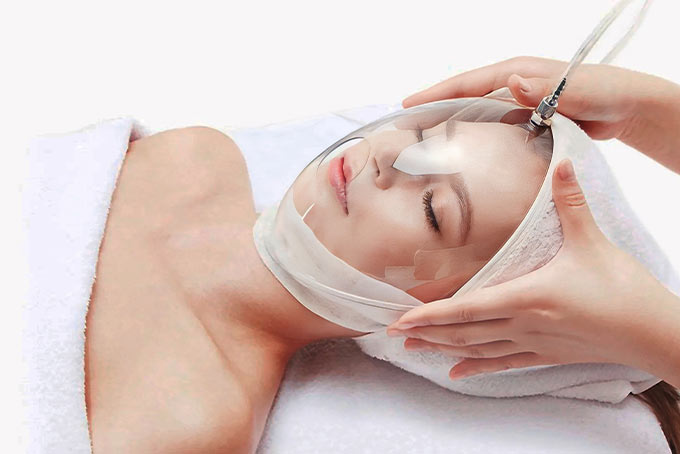
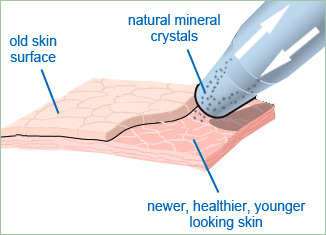
Microdermabrasion is a non-chemical, non-invasive procedure that uses a spray of microcrystals to remove the outermost layer of dry, dead skin cells and reveal younger, healthier-looking skin. Microdermabrasion also encourages the production of a new underlying layer of skin cells with higher levels of collagen and elastin, which further improves your skin’s appearance. Microdermabrasion is much gentler than dermabrasion. Dermabrasion is a more intensive procedure used to treat deeper facial lines, extreme sun damage, and scars.       
2.4.7 Process

  1. Skin Analysis

The beautician needs to cover the eyes and look at the skin through a brightly lit magnifying lamp. To determine the basic skin type (dry, oily, combination, sensitive or normal) and skin conditions (acne, blackheads, whiteheads, aging, sun damage, dehydration, etc.) The beautician then chooses the appropriate products and treatments and consults with the client about what he or she sees and recommends.

  1. Cleansing

After wrapping the hair with a towel or headband, the beautician begins the facial with a thorough cleansing, using cotton pads, wipes or sponges.

3. Enzyme peeling (using a mechanical or chemical exfoliant)

The Microdermabrasion machine has a gritty texture that rubs away the surface of dead skin cells. This type of exfoliation usually happens during the steam. Chemical exfoliation uses enzymes and acids to loosen the bond between skin cells. A gentle enzyme treatment can be done during the steaming process. Stronger chemical peels, which vary in intensity, can be a stand-alone treatment or part of the facial. It is not generally an “upgrade” and is done in a series. It is not conducted with the steam vapour.


4. There are a few steps that can be followed up.

5. A facial mask targeted to the skin type (dry, oily, combination, sensitive, mature) and condition. During the facial, the beautician should stay in the room and give a scalp massage or some other service.

6. Final application of toner, serums, moisturiser, and sunscreen if it’s daytime.

2.4.8   What Not to Do in Microdermabrasion Treatment

  • Not recommended for people who have deep scars, a recent herpes outbreak, warts on the face, active acne an auto-immune system disorder, or unstable diabetes.
  • Pregnant women should not undergo microdermabrasion.
  • Clients who have had a recent chemical peel or other skin procedure such as collagen injections should wait for two to three weeks before undergoing microdermabrasion.
  • Clients should also refrain from waxing or tanning the skin to be treated for a few weeks before microdermabrasion treatment.
  • Individuals with deep scars, facial creases, or other moderate-to-severe skin defects should consider a stronger treatment such as a chemical peel, dermabrasion, or laser skin resurfacing.
2.4.9 Acne Treatment – Process
  • Skin Analysis

The beautician needs to cover the eyes and look at the skin through a brightly lit magnifying lamp. To determine the basic skin type (dry, oily, combination, sensitive or normal) and skin conditions (acne, blackheads, whiteheads, aging, sun damage, dehydration, etc.) The beautician then chooses the appropriate products and treatments and consults with the client about what he or she sees and recommends.

  • Cleansing

After wrapping the hair with a towel or headband, the beautician begins the facial with a thorough cleansing, using cotton pads, wipes or sponges.

3. Steam

Most facials use a machine that directs a thin vapour of warm steam to the face. This is relaxing and helps soften up any blackheads and whiteheads to be extracted.

4. Clear Balance (pore normalising factor).

Chemical exfoliation uses enzymes and acids to loosen the bond between skin cells. A gentle enzyme treatment can be conducted during the steaming process. Stronger chemical peels, which vary in intensity, can be a stand-alone treatment or part of the facial. It is not generally an “upgrade” and is done in a series. It is not conducted with the steam vapour.

5. Extractions

This is the removal of blackheads or whiteheads if needed. People have different pain tolerance for extractions. They can be uncomfortable, especially on thin or ruddy skin. Extractions can cause broken capillaries and discolouration if done improperly.

6. Facial Massage

Using classic strokes to both relax and stimulate the skin and facial muscles.

7. Facial Mask

Targeted to the skin type (dry, oily, combination, sensitive, mature) and condition. During the facial, the beautician should stay in the room and give a scalp massage.

8. Final Application

Use toner, serums, moisturiser, and sunscreen if it’s daytime.

2.4.10 What Not to Do in Acne Treatment
  • If the client is struggling with moderate to severe acne, a facial is not recommended.
  • Never direct steam on the acne or the fresh breakout and never do extractions on rosacea skin without any consultation.

Never treat acne-prone skin because it can cause side effects if the person is on any skin medication.

2.4.11
© 2025 THE BEAUTY & BROW PARLOUR