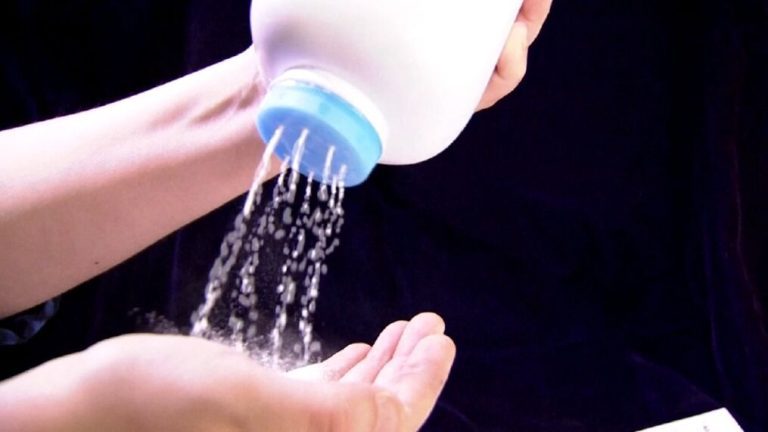
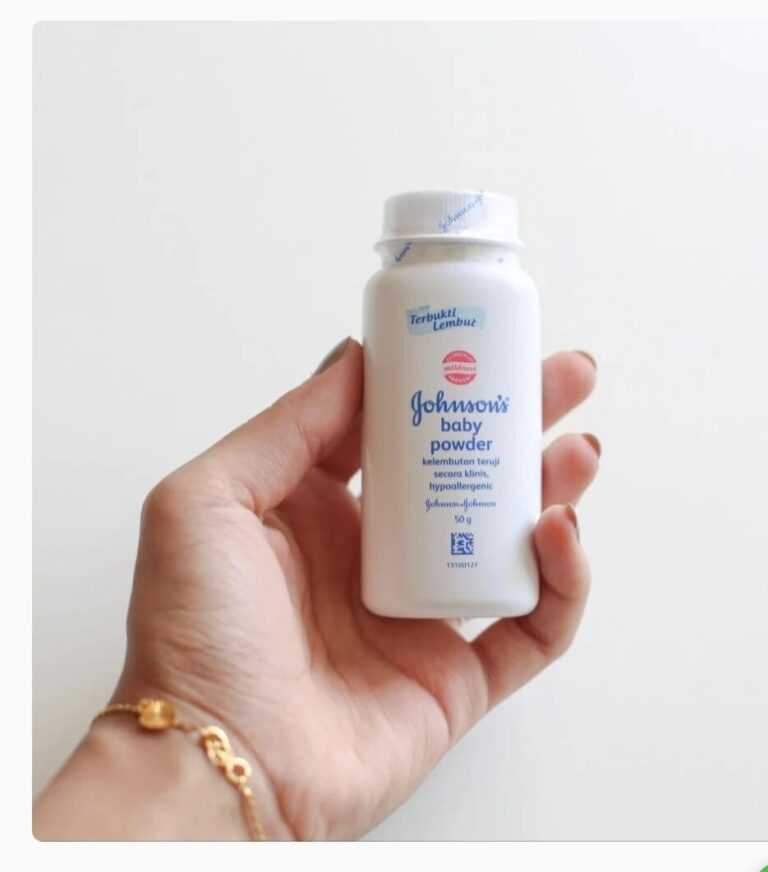
- If the skin is oily or sweaty, use baby powder or pre-wax lotion, which makes waxing easy.

Module 2.2: Waxing
2.2.1 Overview
Waxing is a method that temporarily removes hairs, using wax applied to the skin. The hair remains encased in the wax, which is then ripped off the skin removing the hair. This method can be used to remove hair from legs, toes, feet, bikini line, buttocks, back, shoulders, chest, neck, arms, underarms, and face, including the lip, chin, and eyebrows.
The waxing process is the most popular form of temporary epilation treatment requested in the beauty industry. There are two main categories of waxes used for hair removal: hard wax and strip wax (pink and white).
2.2.2 Tips for better Waxing
Though in most cases, waxing does not bring on any harmful effects on genitals or other body parts, here are a few things that you should consider:
- Ideally, do not go for waxing if you are using any medicated creams on your skin for therapeutic purposes.
- Customers should not wax after prolonged sun exposure.
- It is normal to feel a stinging sensation or minor swelling after the waxing session. However, you should not scratch your skin, as it can lead to bacterial or fungal infections.
- Always wear disposable gloves during waxing procedures.
- Ensure that the hot and strip wax has been prepared according to health and hygiene procedures.
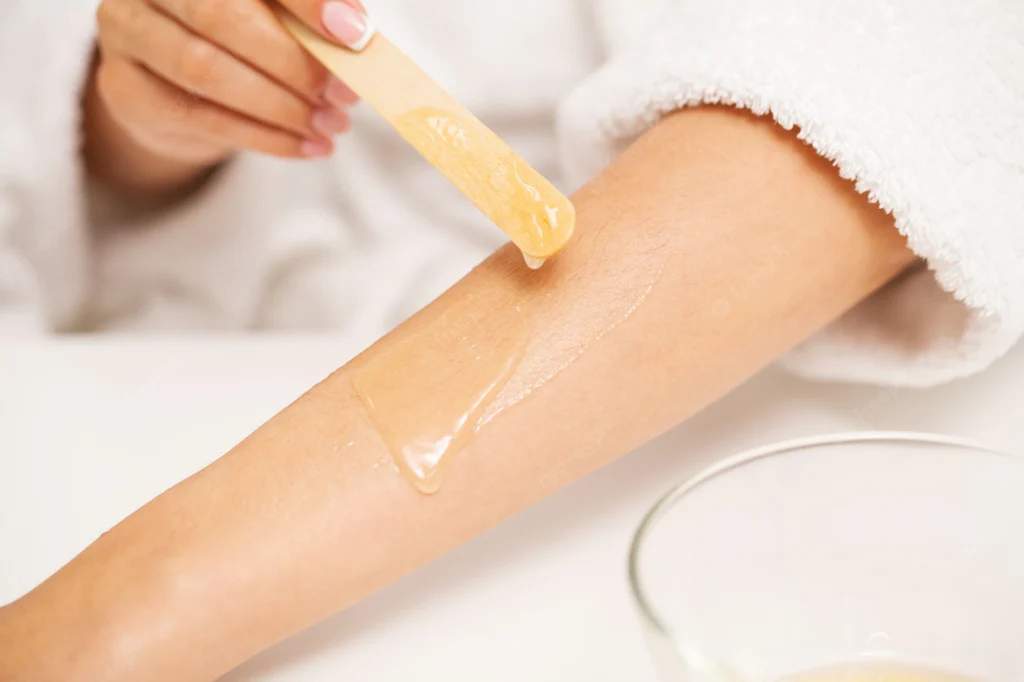
- Using a wooden spatula, dip the spatula into the wax scooping up a small amount.
- Always check the wax temperature throughout the treatment or before applying it to the client’s skin.
- Apply wax evenly in the direction of hair growth.
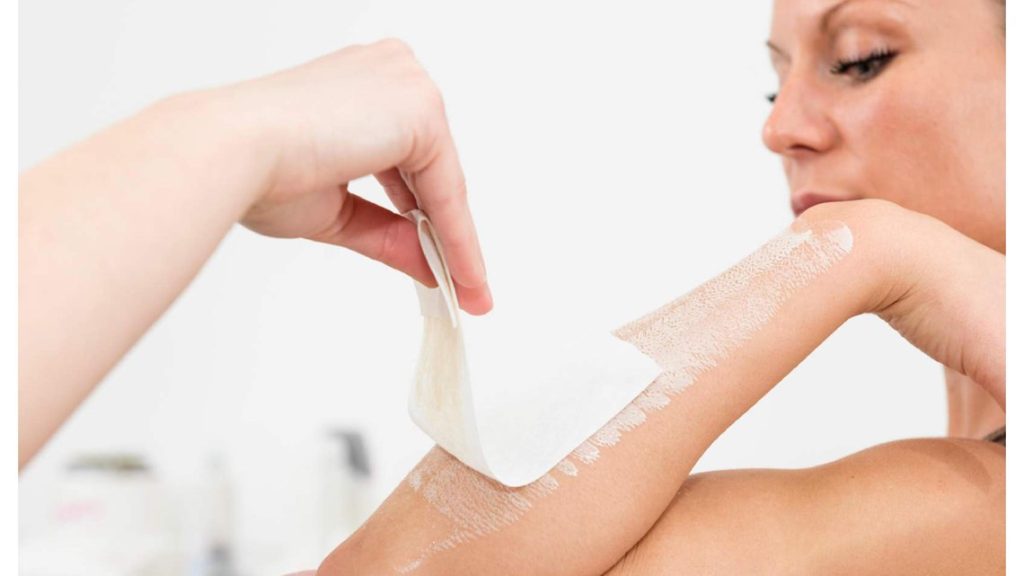
- Press the waxing strip down on top of the wax.
- Stretch the skin before pulling the strip off in the opposite direction of hair growth.
- Repeat the process over the rest of your area that has been waxed.
- Apply Aloe Vera or After wax Soothing moisturiser.
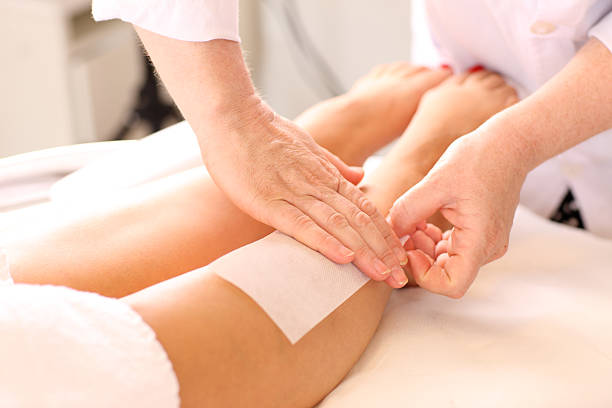
2.2.3 Leg Waxing
2. Check the temperature of the wax.
Maximum temperature can be one of the main reasons for burning and ripping of skin.
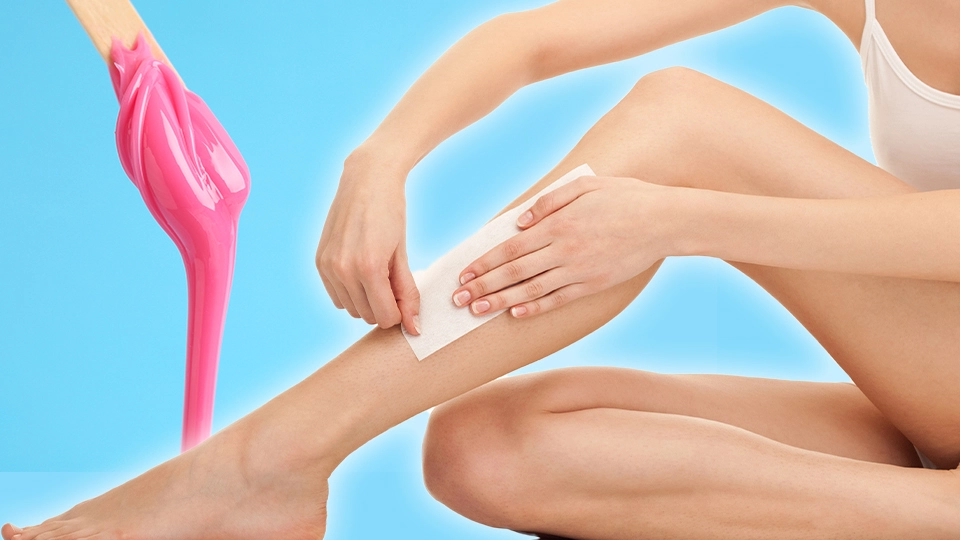
3. Application of the waxing.
It must be in the same direction as your client’s hair growth and better if you use the big spatula for bigger Ares. E.g., Arms, legs front and back, etc.
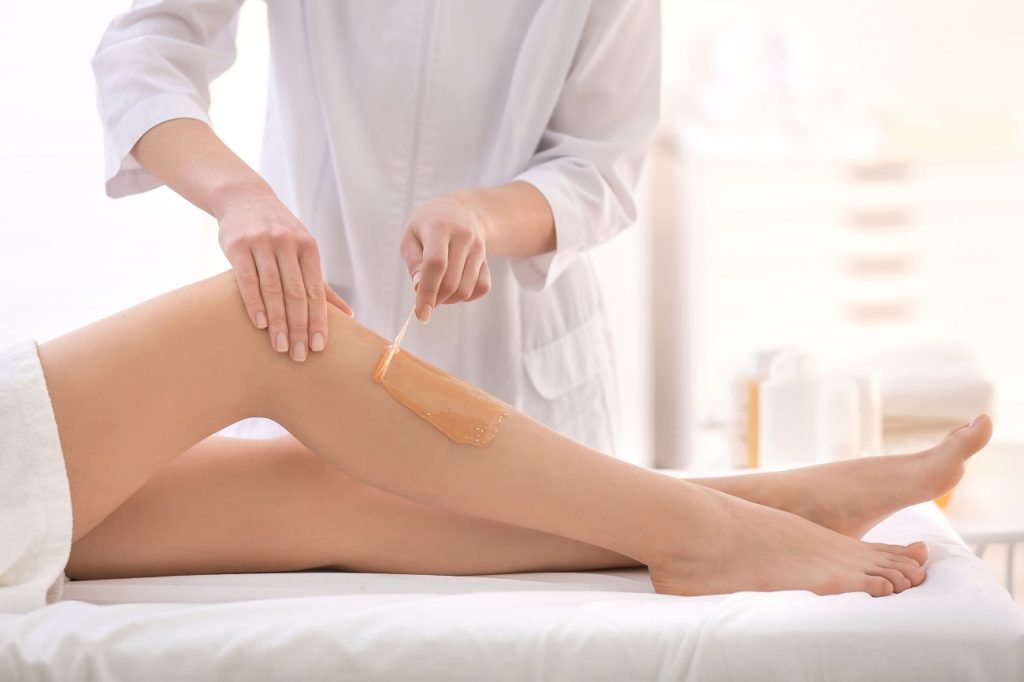
2.2.4 Waxing Arms
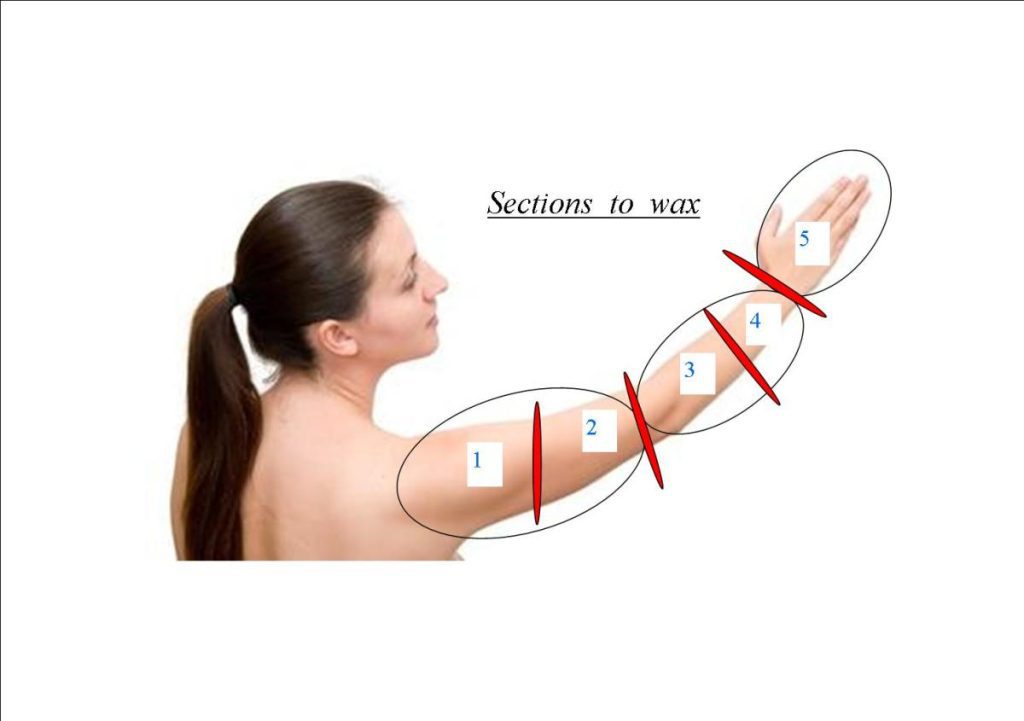
- Before waxing, divide the arm into sections as shown below. It makes the process easier and gives better results.
2.2.5 Waxing Upper Lip
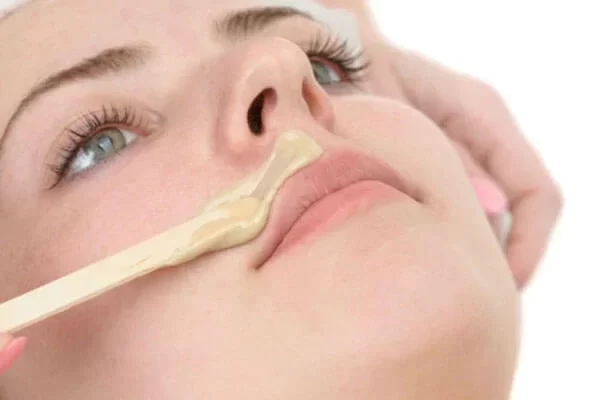
This area is small, divide it into three sections and use the right amount of wax to remove the hair.
- The right side of the upper lip
- The left side of the upper lip
- Middle section of the upper lip
Take care not to allow the wax to extend onto the lip as this may cause grazing.
2.2.6 Waxing Underarms
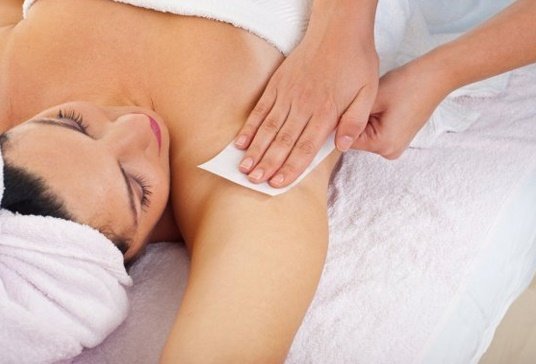
Check carefully for skin tags before commencing. Always ask your client to hold the side of the breast with their other hand, this is to keep the skin taut to minimise pain. Normally hair will grow in three directions, although there will be exceptions. A normal pattern includes the hair that grows towards the arm and the hair that grow towards the body.
- Apply wax in the upper section of the underarms, closest to the arm.
- Apply wax in the section closest to the body.
- Apply the wax in between, possibly with hair growth towards the client’s front or back.
- Then at the end remove the remaining hairs with tweezers.
1.6 Customer Complaints
- Always use after wax lotion or oils on the waxed areas. This is done in order to close the pores, which are opened during the procedure.
- Always advice your client about aftercare, homecare, and pre-treatments strategies.
- Waxing is a safe way to get rid of unwanted body hair if done right. So, do take care of all the above points before you start waxing.
Bikini, Brazilian, Extended bikini, French bikini, Hollywood, The Sphinx, The Playboy, The European, Thong Wax, The Landing Strip. The list goes on.
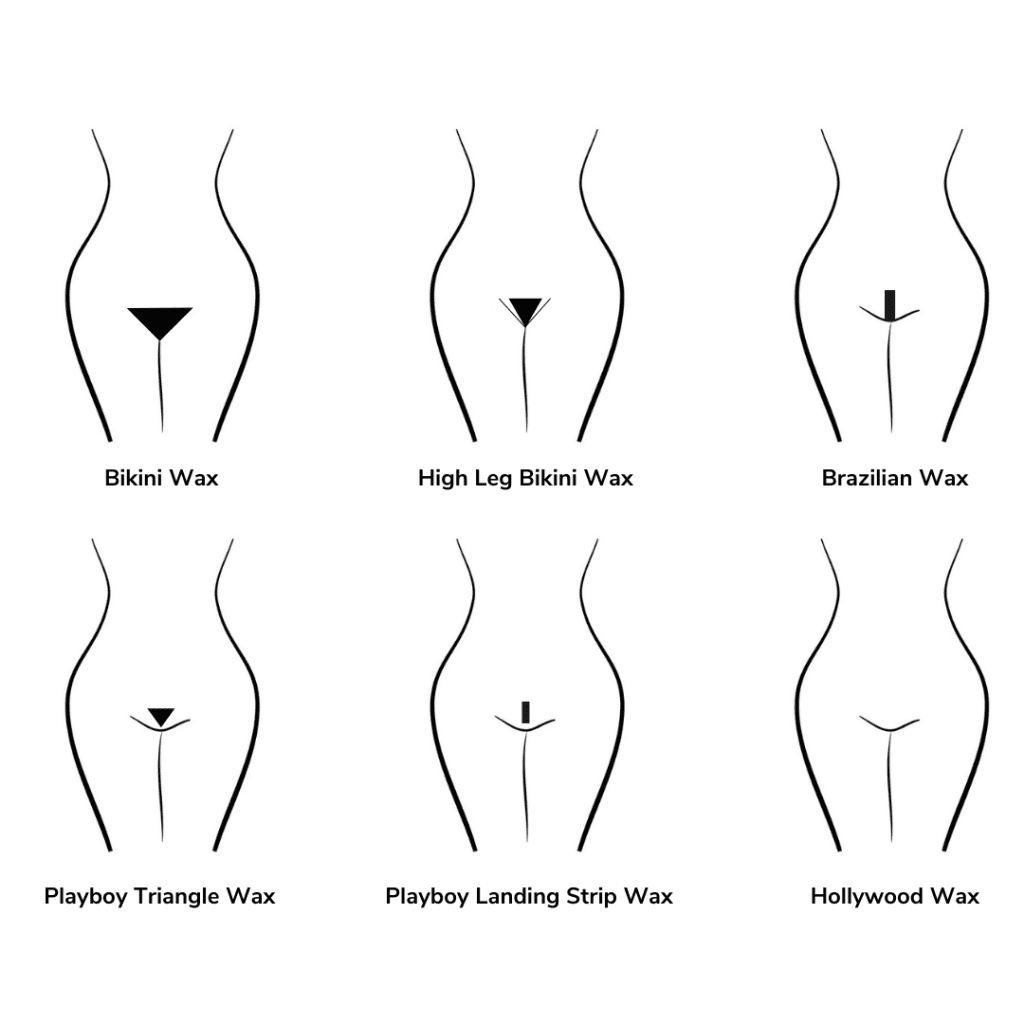
- Basic Bikini Wax
This includes two inches on each side of the pubic area, where it would be at the sides of a bathing suit. It also includes one inch off the top.
- Brazilian Bikini Wax
This includes all the hair in the pubic area, everything in the front, and the hair between the buttocks. Some women choose to leave a small “landing strip” or choose not to do the back. Each of these is still in the realm of a Brazilian wax.
- Extended Bikini Wax
This is for those who want more than a basic bikini, but less than the Brazilian.
- How long a Brazilian Wax lasts?
It has become the most popular style in terms of waxing because it is highly effective and lasts for a good time. In a normal case, Brazilian wax lasts for a period of up to three and six weeks before the hair can start growing.
- Important guidelines before starting a Brazilian wax
- Benefits of Brazilian waxing
Your ingrown hairs, infected or otherwise, will diminish and significantly decrease over time. If you wax consistently, your hair growth WILL diminish also over time which results in less pain during your professional bikini wax service and longer-lasting results. Remember, your skin is a sensitive area and even the skin “down below” needs special treatment.
§ Dos after Brazilian wax (aftercare advice for client)
- Apply ice cubes over the area if you get bumps or redness.
- Apply antibiotic cream to the area.
- Wear loose cotton undergarments after a wax.
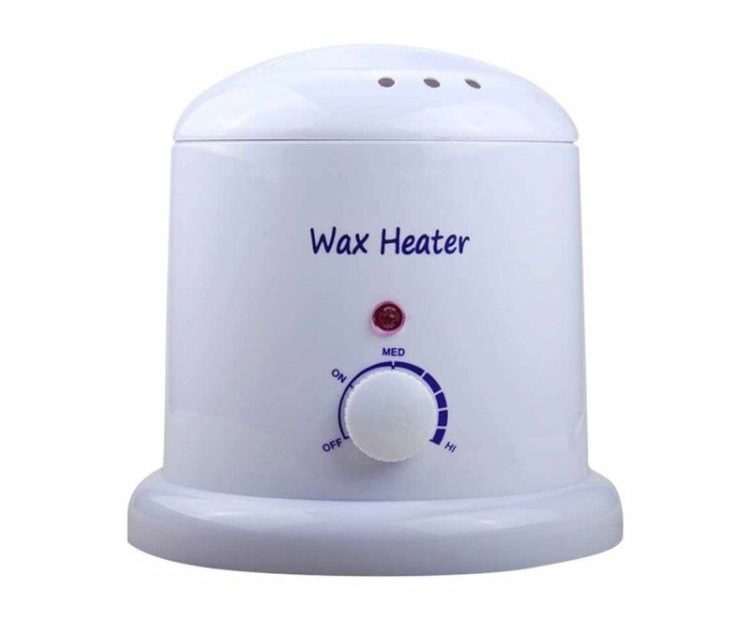
2.2.8 Wax Temperature Measurement
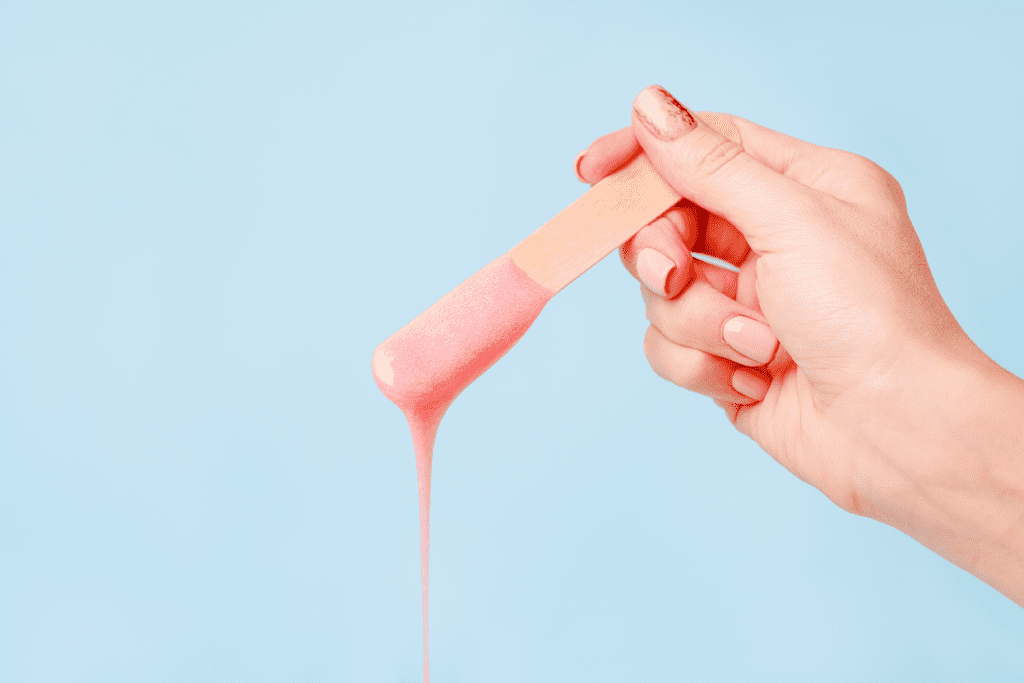
- The temperature should be approximately 62°C to 64°C
- Try not to increase the temperature before waxing.
2.2.9 Tips for the follow-up to get good Results
- Use the talcum powder if the skin is oily or sweaty.
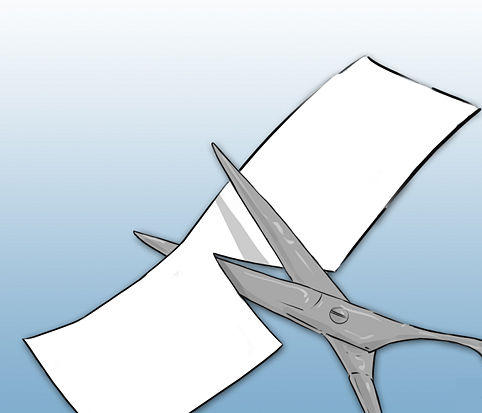
2. Take a small strip for sensitive areas to get less chance of bruise.
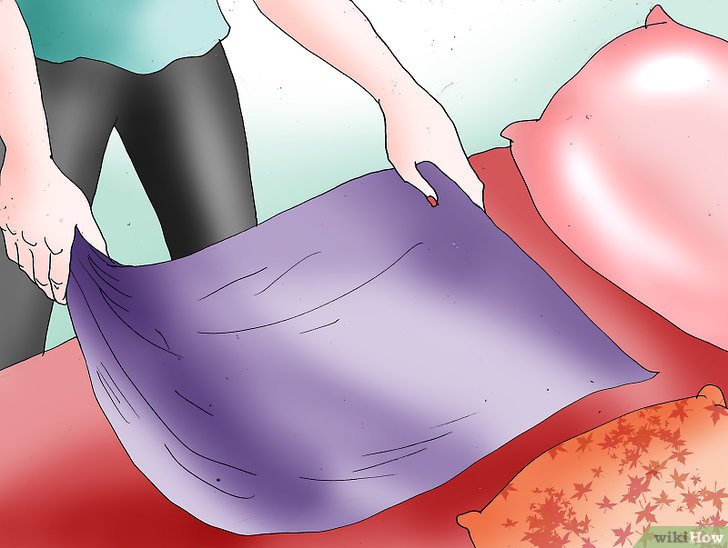
- Make sure never forget to use the disposable sheet to avoid cross-infection.
4. There is the risk of burns during reheating of wax .so let the wax heat up at the same temperature so, this way at least we can reduce 70 to 80% of risk factors.